
General FAQ
FAQs. Here they are in no particular order:
1) What camera do you recommend for me?
A very difficult one for us to answer as we really only stay up to date on the equipment we use. A general concept I try to convey is that the best camera is the one you have with you, so going for something you’re more likely to have with you is a big help. People tend to think that professional photographers have intimate knowledge of all cameras but the reality is that we know about what we need and have no cause to research equipment that doesn't fulfill our specific requirements. Sorry we can’t be of more help!
2) Can we hire you to do our wedding or family portraits?
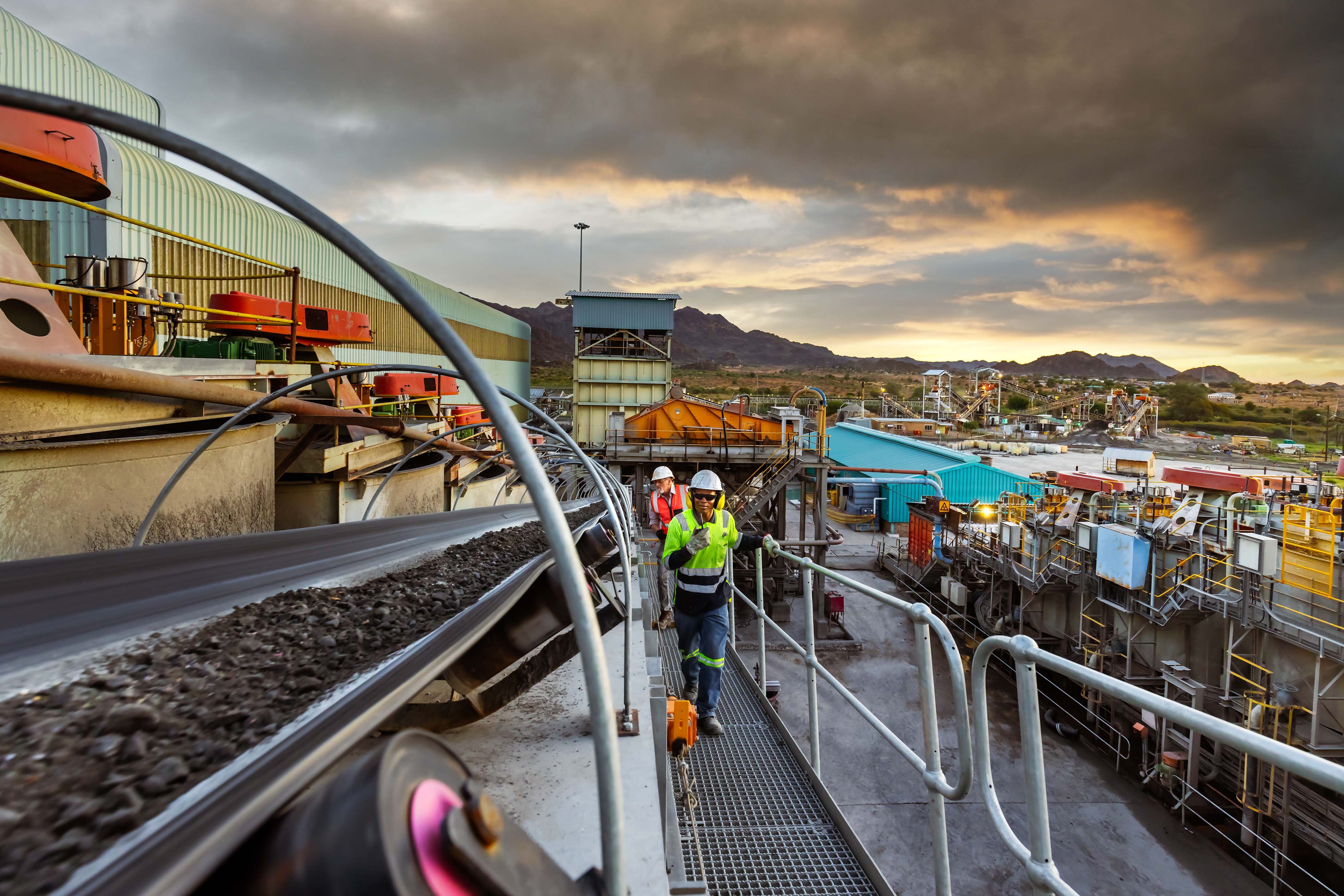
Unfortunately not. We are very specialised in industrial, mining, construction and corporate photography and not only do weddings fall well outside of our wheelhouse but we probably wouldn’t be very good at it either. I strongly believe that tight specialisation is the right way to get good at something and you know that old saying about “Jack of all trades".
3) Do you work for our company?
A surprisingly common question but the answer is that today we do but we work for many different mining houses and industrial companies throughout the year.
4) How long have you been a photographer?
How long? No, I’ve always been a photographer. I’ve never done anything else. The longer answer is I was given a set of basic darkroom kit for my 10th birthday. The dreaded photography bug bit and the rest is history.
5) What cameras do you use?
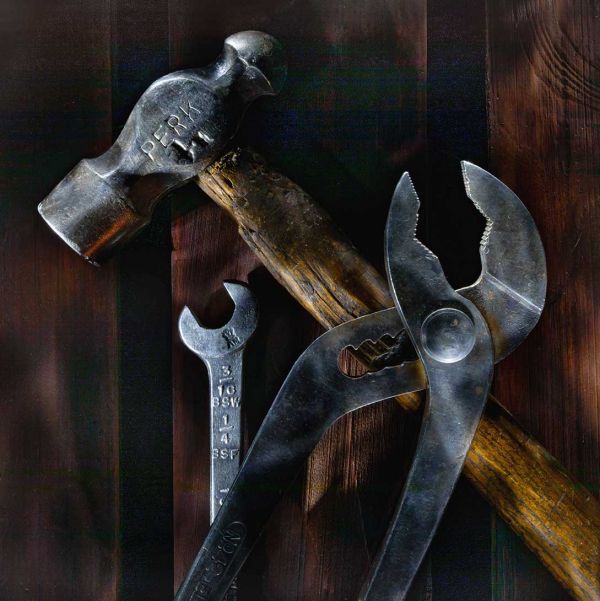
We’ve primarily been using Canon systems for many years but we’re not married to them. In analogue days we used the standard lineup – Sinar, Hasselblad and Nikon. When digital first became good enough for some professional jobs we were on the Nikon/Kodak collaboration as they were ahead in the game. They lost ground on technical advances for a while when Canon jumped ahead so we switched to Canon (at that time the advances were big enough to be materially significant) and since then the camera makers have been playing leap frog in terms of technical advances so we just stick to Canon. It seems that the only way to always be on the bleeding edge is to switch systems every two weeks. We also choose gear that works well for us and doesn’t get in the way of what we’re trying to do. Also we value things like systems compatibility, reliability and weather sealing above whether a new model comes with three extra pixels. I have no doubt that at certain times Nikon or Sony may be ahead of Canon but at the end of the day the photographer makes the image and a camera is just one of the tools used in that process. This is especially relevant as my method boils down to creating the image in my head and only then using the various tools to capture the visualization. It’s often put to us as “those photographs are amazing. What camera do you use?” I always think that’s like saying to a woodworker “that’s a beautiful table, what hammer did you use?”
6) You must travel a lot. Do you travel outside of South Africa?
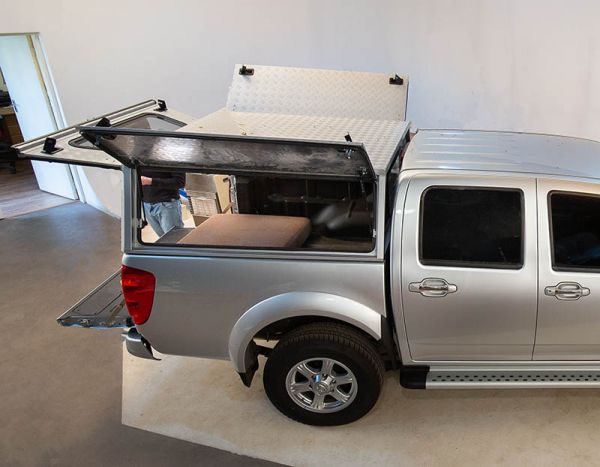
Sure do. We go wherever the work is and that’s a big part of what we enjoy about our specialization. There’s something very special about getting to see parts of the world that tourists never get to see.
7) Can I get a copy of the photographs you just took?
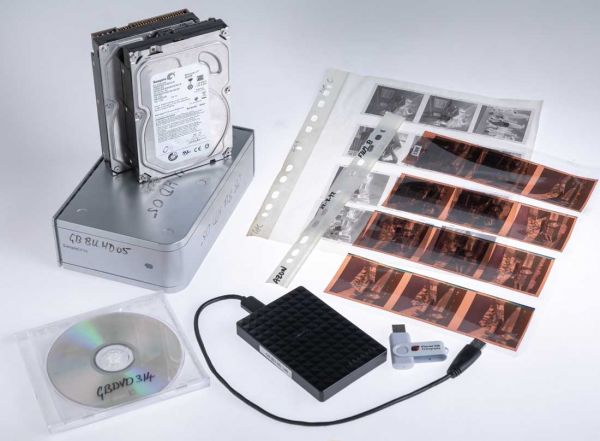
Sorry, wish we could do that but the images can only go to the person who commissioned them unless they give us very clear and specific instructions otherwise.
8) Would you like some coffee?
Yes please (no exceptions). If we ever say no, please call emergency services.
9) How long is this going to take?
We can usually come up with a fairly accurate estimate but there are many things on site that can push things out, a lot of which we have no control over.
10) Why industrial and mining photography?
I always had a predisposition to it. An optional section of the practical work on my City and Guilds training was “industrial” and I managed to arrange access to an iron and steel plant and various engineering works. I enjoyed photographing these more than any of the other disciplines. From then on I was determined to get as far along the industrial path as possible. I subsequently worked for two studios in the UK that were heavily specialized in industrial photography and although I’ve done my fair share of other things my ambition has always been in that direction.